


Solitaire Y
4.421.00 Reviews
App Specs
- Version
- 1.6.6
- Updated On
- License
- Free
- Downloads
- 50,000+
- Developer
- HeartsNet
- Categories
- Card
- Platform
- Android
Screenshots
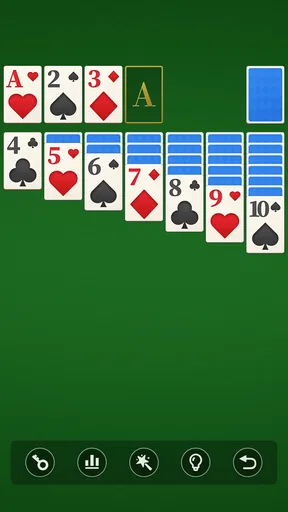
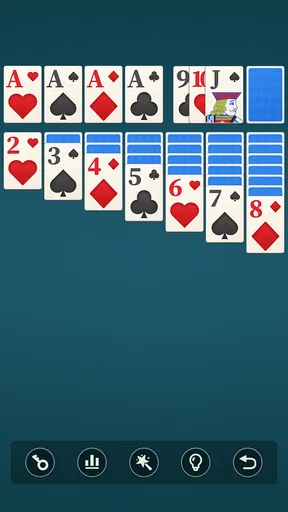
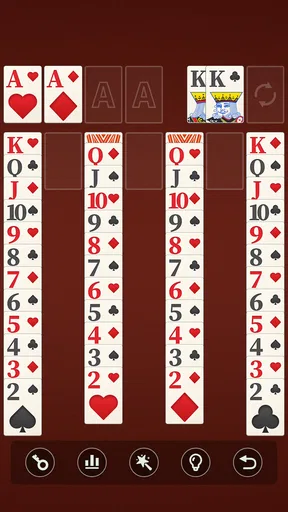
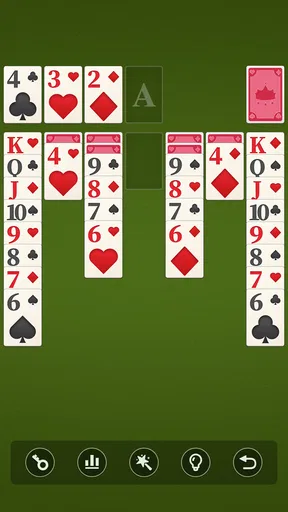
 Analysis by AppCompare
I approached Solitaire Y expecting a familiar card game rather than a large adventure or a complicated strategy title, and that expectation is important. This is a focused solitaire experience from HeartsNet, built around the simple pleasure of arranging cards, spotting the next useful move, and taking a quiet break. After spending time with it, I found that its main appeal is not novelty for novelty’s sake. It is the way a recognizable card format can settle into an easy routine when you have a few spare minutes.
The game is free, rated for Everyone, and belongs to the card-game category. It has reached over fifty thousand installs and holds a 4.4 average from around two hundred ratings, with roughly twenty reviews behind that public impression. Those figures suggest a modest but positive audience rather than a noisy blockbuster, which matches the experience: Solitaire Y feels like a small, accessible game intended to be opened whenever the mood takes you.
Its release date was August 19, 2025, and the current version is 1.6.6. It runs on Android 7.0 or later, so it is suitable for many older devices as well as newer phones. I would not choose it for a deep competitive challenge, but I can easily see myself recommending it to someone who wants a straightforward way to relax without learning a new ruleset.
A calm first impression that gets to the cards quickly
My first impression was shaped by how little effort the game asks from the player. Solitaire is already familiar to many people, so the opening experience does not need a long explanation or an elaborate setting. The attraction is immediate: start a hand, scan the layout, and decide whether the next move is obvious or needs a little thought.
That simplicity is a strength when I am using a phone in short bursts. I can imagine opening it while waiting for an appointment, taking a brief break from work, or winding down before bed. It does not demand the kind of attention that a fast action game requires, yet it still gives me enough small decisions to prevent the session from feeling like passive screen time.
The trade-off is equally clear. If you want a card game with a strong narrative, a large collection of modes, or a sense of progression that constantly pushes you forward, this is probably not the right destination. Solitaire Y works best when the goal is the hand itself. Players who need a steady stream of unlocks, missions, or dramatic rewards may find the experience too restrained.
I also think the game benefits from being treated as a flexible routine rather than a title that must occupy an entire evening. A short session feels natural. Playing for much longer can expose the repetition that is built into solitaire, especially if you are already very familiar with the format. That is not a flaw in the rules, but it is a useful expectation to set before downloading it.
Worth Reading Before You Choose

EA SPORTS FC Mobile 26 Is a Bigger Football Game, but It Takes Time

Flipboard Shows What News Apps Must Do Beyond the Feed

Switching to Android Auto Means Rethinking Your Driving Routine

Google Calendar Makes a Crowded Week Easier to Manage

Ludo King Makes the Most of the Minutes Between Plans

Baby Panda World Brings Quick Play to Modern Phones, but Its Game Library Feels Busy
One practical tip is to use the first few hands as a way to judge your own preferred pace. If you enjoy examining several possible moves before committing, the game can become a gentle concentration exercise. If you tend to tap quickly and restart whenever a hand slows down, it may feel less satisfying. The value comes from the small decisions, not from rushing through the layout.
A visual language built around clarity rather than spectacle
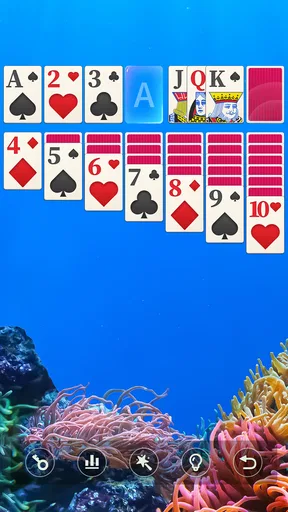
The art direction serves the card table instead of competing with it. In a game like this, visual design has a very specific job: cards must be easy to distinguish, the playing area must remain readable on a phone, and the overall presentation should not make a quiet activity feel unnecessarily busy. Solitaire Y’s identity comes from that controlled, uncluttered mood rather than from a large fictional world.
That makes the setting feel more like a personal pause than a destination. I am not entering a story universe or managing a character. I am returning to a familiar tabletop ritual translated to a touchscreen. The lack of narrative decoration keeps the focus on the arrangement in front of me, which is exactly what I want when I am playing for a few minutes rather than settling in for a major gaming session.
Good solitaire presentation is often noticed through the absence of friction. When the card layout is understandable at a glance, I can think about the order of moves instead of spending energy interpreting the interface. This matters especially on smaller screens, where excessive ornaments or crowded controls would make the central puzzle harder to read.
There is also a useful emotional contrast between the static card table and the changing possibilities within each hand. The scene itself stays calm, while the arrangement creates just enough uncertainty to keep my attention. That balance gives the game a coherent mood: visually quiet, mentally active, and never more dramatic than the cards require.
Still, this restrained approach will not appeal to everyone. Players who compare solitaire games mainly by themes, animated backgrounds, collectible designs, or elaborate visual rewards may prefer a more decorative alternative. Solitaire Y’s presentation is better suited to someone who values legibility and a sense of calm over constant visual stimulation.
How sound and pacing support a short, relaxed session
Sound is most effective in a solitaire game when it supports the rhythm without taking control of it. I found the overall experience works best as a quiet activity, one where the movement of cards and the pause between decisions matter more than an aggressive soundtrack or a stream of attention-grabbing effects. The game’s mood is therefore tied to restraint: it leaves room for concentration.
That pacing is one of its strongest qualities. A hand can move quickly when the next card is obvious, then slow down naturally when I need to consider whether a move will open a useful space or block a better sequence. The game does not need to manufacture excitement because the rhythm comes from those changes in certainty.
For an everyday example, I would use it during a short evening reset. After finishing a task, I could play one hand while having a drink, keeping the session contained instead of falling into a long, demanding game. The cards give my mind something specific to follow, but the relaxed structure makes it easier to stop when I am ready.
Another useful approach is to play when you want a break from rapid scrolling. Solitaire Y provides a more deliberate alternative: I look at a fixed arrangement, form a plan, and accept that not every hand will unfold perfectly. That makes it suitable for people who enjoy light mental engagement but do not want a competitive leaderboard or a high-pressure timer shaping every decision.
The limitation is that this same calm rhythm may feel slow to players who want constant feedback. If your ideal card game is built around quick matches, dramatic reversals, or direct competition with other people, the measured solitaire pace can seem uneventful. I would choose this game for decompression, not adrenaline.
Where the familiar mechanics fit—and where they do not
The central mechanical appeal is the classic solitaire structure. Cards are placed, uncovered, and rearranged through a sequence of choices that looks simple but rewards planning. The rules are approachable enough for a casual player, while experienced solitaire fans can still find interest in deciding which move to make first.
What I like about this format is that it creates meaningful decisions without requiring a long tutorial. A new player can begin from basic card knowledge, while a regular player can think about order, hidden information, and the consequences of using a move too early. That makes Solitaire Y more useful than a purely automatic time-killer: it asks me to participate in the outcome.
One non-obvious way to get more from it is to treat every move as a question about future access, not just immediate progress. Moving a card because it can move is not always the best choice. I get better results when I consider which face-down card might be exposed, which column could become more flexible, and whether a temporary arrangement will leave me with options later. That habit turns a familiar game into a small lesson in sequencing.
A second tip is to slow down at moments when two moves appear equally attractive. In solitaire, the first legal move is often not the most useful one. Comparing the next one or two consequences before tapping can prevent a layout from becoming unnecessarily tight. This is especially helpful for players who normally approach casual games by acting immediately.
A third trade-off concerns replayability. The basic rules provide a dependable foundation, but the experience will naturally feel more repetitive than a card title with several distinct modes. If you want a single, recognizable game that you can revisit without relearning systems, that consistency is a benefit. If you want changing objectives and a broad strategic range, a larger solitaire collection may be a better fit.
Because Solitaire Y is free, it is easy to try without making the decision feel significant. That makes it a sensible option for someone who wants to test whether a simple card routine belongs on their phone. At the same time, free access does not automatically make it ideal for every player. Someone who dislikes the standard solitaire format will not find a different genre hidden underneath it, and someone seeking a social card experience should look elsewhere.
Who will enjoy it most in everyday use
I would recommend Solitaire Y to people who want a familiar game that can be played in small pieces. It is a good match for casual players, older Android users who need compatibility with Android 7.0 or later, and anyone who prefers a quiet puzzle over a crowded feature set. The Everyone age rating also makes its general audience clear, although personal preference still matters more than the label when deciding whether the pace suits you.
It is particularly useful as a low-commitment mental break. I can see it working between errands, during a calm commute when playing is appropriate, or as a way to replace a few minutes of aimless browsing. The fixed card layout gives the mind a narrow problem to solve, which can feel refreshing without becoming exhausting.
I would be more cautious about recommending it to a dedicated solitaire expert who expects extensive customization or a large variety of rule sets. The appeal here is the core card experience, not the promise of a broad platform. Likewise, players who need multiplayer interaction, a story campaign, or a strong reward loop should not download it expecting those elements to define the experience.
Device age is another practical consideration. Since the game supports Android 7.0 and later, people with very old phones should check their operating system before planning around it. For compatible devices, the modest nature of the game makes sense: solitaire does not need the hardware demands of a visually intensive action title, and its value comes from the clarity of the play rather than technical spectacle.
How it compares with other ways to play solitaire
Compared with a physical deck, Solitaire Y is more convenient. I do not need a table, enough space to spread the cards, or time to gather everything after a hand. The phone is always close, so the game is better for spontaneous sessions. The physical version still has a tactile quality that a touchscreen cannot reproduce, and some players will prefer the slower, more deliberate act of handling real cards.
Compared with a feature-heavy digital solitaire collection, Solitaire Y is appealing because it keeps the decision simple. I can open it for the familiar activity without sorting through a large menu of modes. The cost of that focus is variety. A broader collection may serve players who want several rule variations, more customization, or a stronger sense of long-term progression.
Compared with competitive card games, this title is much less demanding. There is no need to react to an opponent’s strategy or manage the pressure of a live match. That makes it friendlier for relaxation, but it also means there is less social tension and fewer reasons for a competitive player to return. The right choice depends on whether you want solitude or interaction from your card game.
My own preference would be to keep it as a dependable single-player option rather than expect it to replace every other card experience. It fills a specific space well: a free, familiar, low-pressure game for short sessions. That clarity is more valuable than pretending it offers the breadth of a much larger card app.
The final mood: simple, steady, and best in the right moment
After using Solitaire Y, I see its strongest quality as the connection between presentation and mechanics. The calm visual approach gives the cards room to speak, the pacing follows the player’s decisions, and the familiar rules create just enough mental work to make a short break feel purposeful. Nothing needs to be exaggerated for the experience to function.
That does not make it universally exciting. Its repetition may disappoint players who need constant novelty, and its focused solitaire identity will not satisfy anyone looking for multiplayer competition or a deep progression system. Those are important limitations, not minor details. The game succeeds by being narrow, so the people who want something broad should choose a different option.
For me, the best way to recommend it is as a small daily card ritual. Open it when you want to slow down, take a moment to inspect the layout, and resist treating every legal move as automatically correct. That approach reveals the difference between simply passing time and enjoying the small planning challenge that solitaire offers.
Solitaire Y is worth trying if you want a free card game with a relaxed atmosphere, familiar mechanics, and an easy place in your everyday routine. HeartsNet has kept the experience approachable enough for casual use while leaving room for thoughtful play. I would not install it expecting a huge world or endless systems; I would install it when I wanted a quiet table, a few decisions, and a clean mental pause.
Pros
- Classic solitaire rules are easy to learn and relaxing to play.
- Quick rounds make it suitable for short breaks or casual sessions.
- Simple controls work well on touchscreen devices.
- Offline play is convenient when no internet connection is available.
- Lightweight design should run smoothly on many older devices.
Cons
- Gameplay may feel repetitive for players seeking more variety.
- Some features or rewards may be limited without watching advertisements.
- Random deals can occasionally feel difficult or unwinnable.
- Visual customization options may be fairly limited.
- Long sessions may become less engaging without deeper progression.
FAQs for Solitaire Y
What is Solitaire Y, and how is the game played?
Solitaire Y is a casual card game based on the classic solitaire format, designed for quick and relaxing play on a mobile device. The main objective is to arrange cards according to the selected rules, usually by building sequences and moving cards between the tableau and foundation piles. Its familiar gameplay makes it suitable for both beginners and experienced solitaire players.
Can I play Solitaire Y without an internet connection?
Solitaire Y may support offline play for its core solitaire experience, allowing you to start a game without a constant internet connection. However, some features—such as advertisements, online statistics, cloud-related services, daily challenges, or promotional content—may require access to the internet. It is best to open the app once while connected before relying on it during travel or offline periods.
Is Solitaire Y free to download and play?
Solitaire Y can generally be downloaded and played without an upfront purchase, but the free experience may include advertisements or optional in-app purchases. Depending on the version available for your device, paid options might remove ads or unlock additional features. Before confirming a purchase, check the store listing carefully for pricing, subscriptions, and any recurring billing conditions.
Does Solitaire Y offer different game modes or customization options?
The available modes and customization tools depend on the specific version of Solitaire Y installed on Android or iOS. In addition to standard solitaire gameplay, the app may include features such as daily games, scoring, hints, undo controls, card designs, backgrounds, or difficulty variations. These extras can make repeated sessions more enjoyable, although some may be limited or supported by advertising.
Is Solitaire Y suitable for children and casual players?
Solitaire Y is generally easy to understand and appropriate for casual players who enjoy card games, including people new to solitaire. The rules are familiar, sessions can be short, and the game usually does not require fast reactions. Parents should still review the app’s age rating, advertising, privacy information, and any purchase options before allowing children to use it independently.


